
DOWNLOAD THE APP


Customer Services
Copyright © 2025 Desertcart Holdings Limited
DOWNLOAD THE APP


🌏 Taste the Mekong, Master the Art of Southeast Asian Cooking!
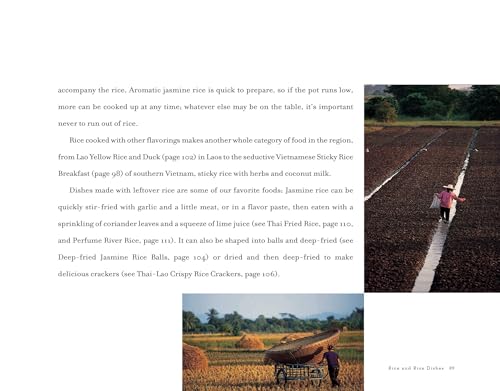
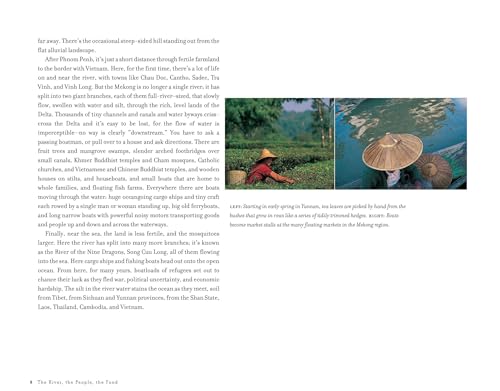
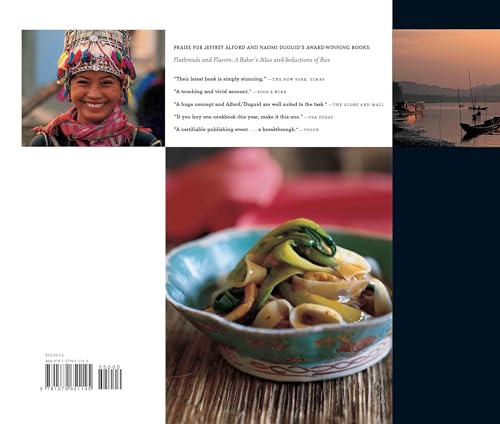
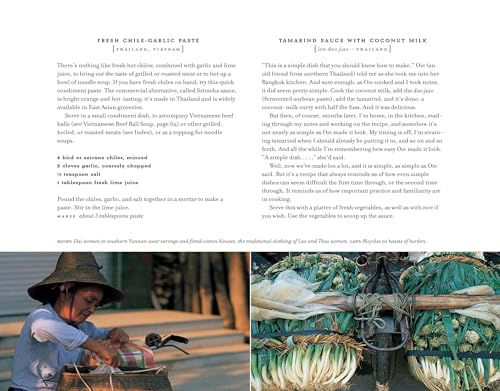
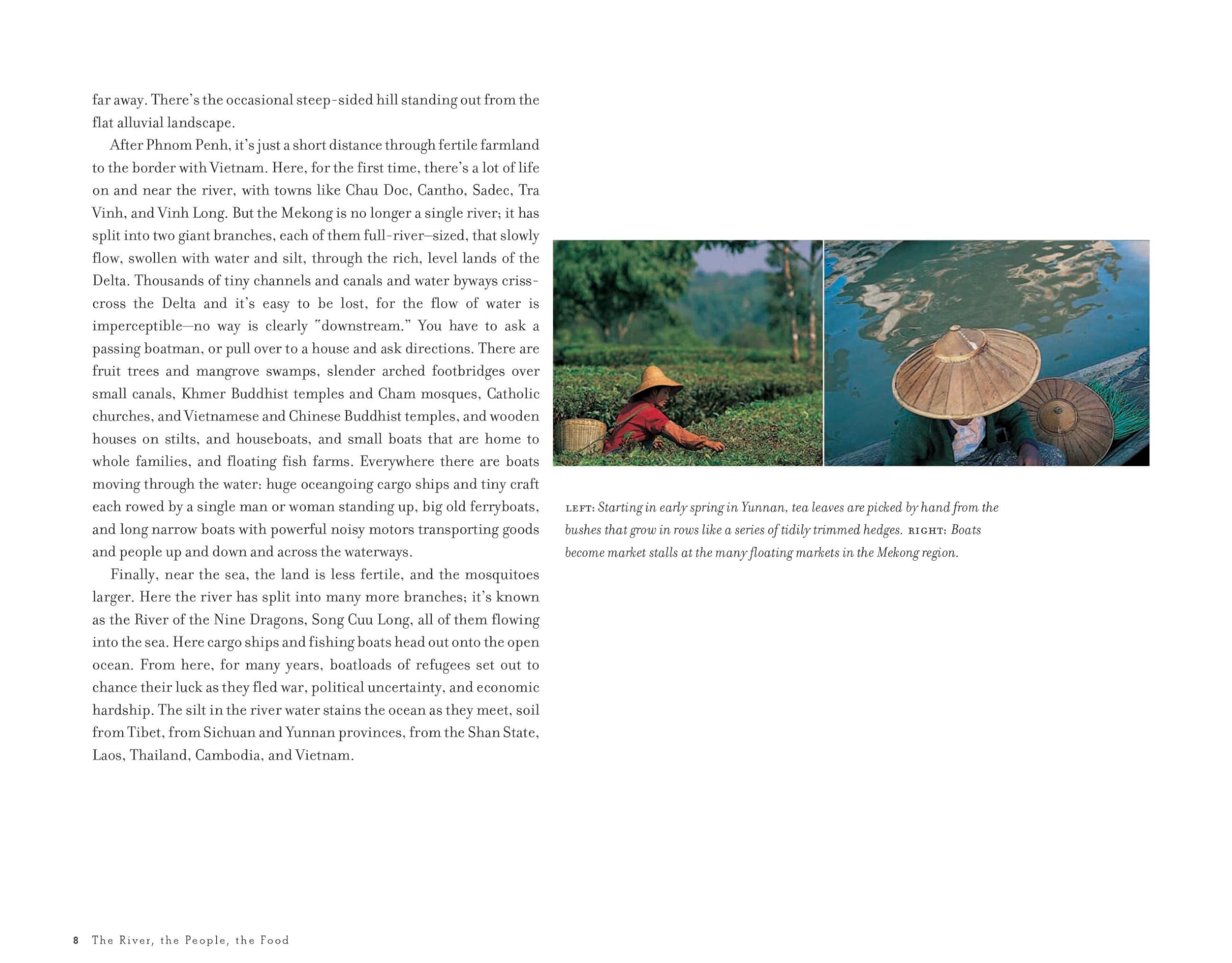
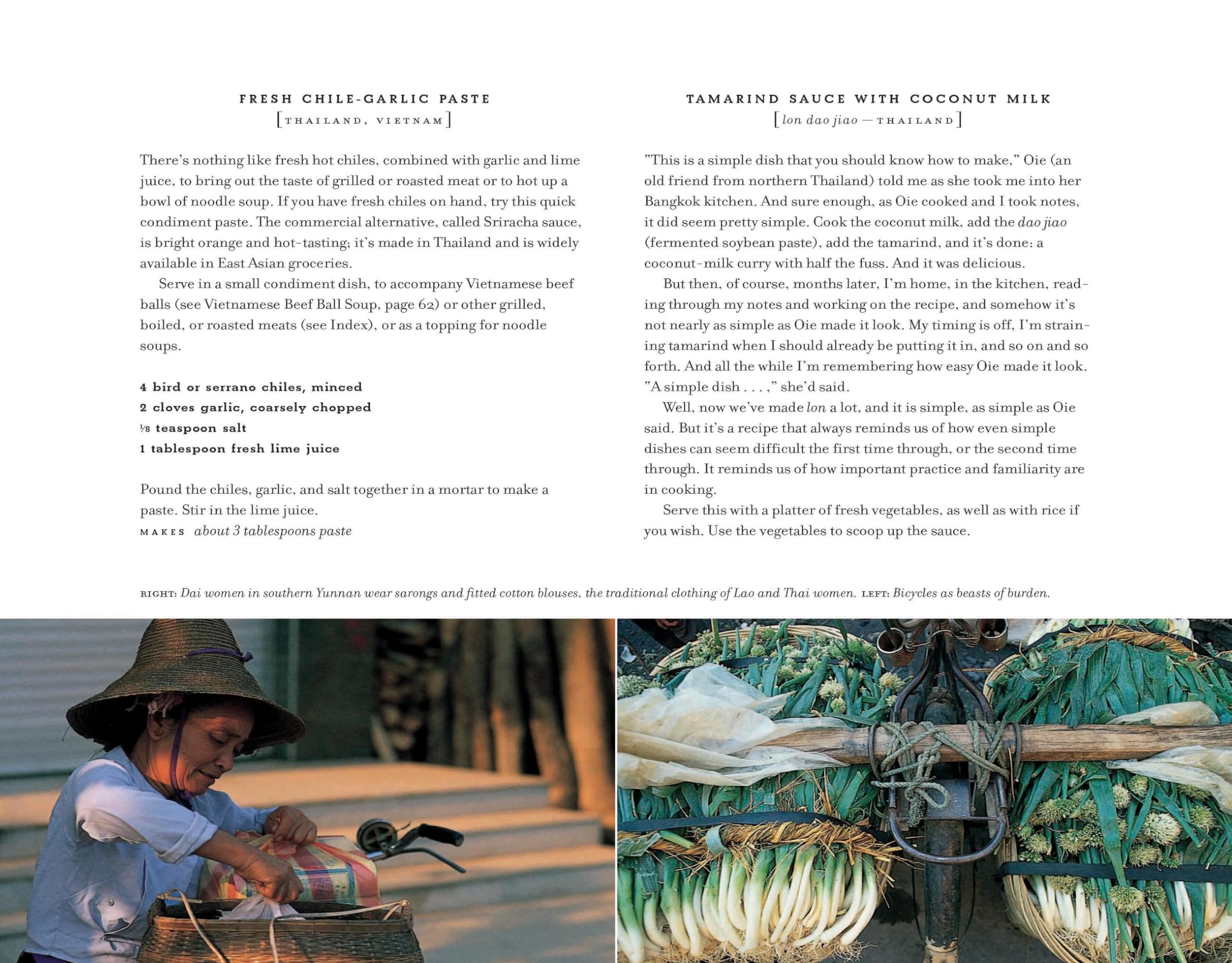
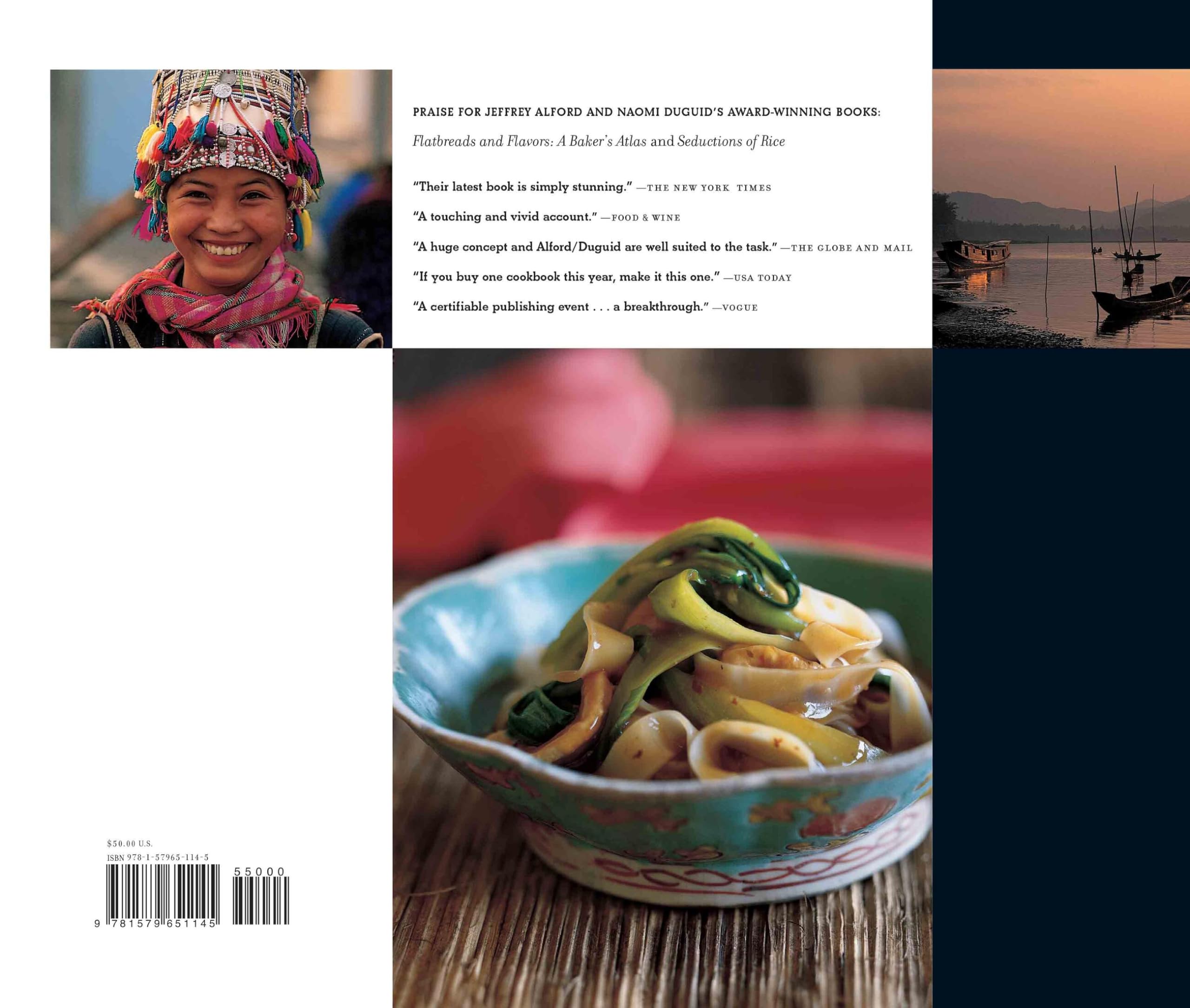
Hot Sour Salty Sweet is a richly illustrated culinary journey through Southeast Asia, blending geography, culture, and authentic recipes. This well-reviewed book demystifies regional flavors along the Mekong River, offering easy-to-make dishes and deep cultural context, perfect for adventurous food lovers eager to elevate their home cooking with genuine Asian tastes.


| ASIN | 1579651143 |
| Best Sellers Rank | #381,586 in Books ( See Top 100 in Books ) #27 in Vietnam Travel Guides #48 in Southeast Asian Cooking, Food & Wine #245 in Gastronomy History (Books) |
| Customer Reviews | 4.7 4.7 out of 5 stars (187) |
| Dimensions | 10.13 x 1.13 x 11.38 inches |
| Edition | Later prt. |
| ISBN-10 | 9781579651145 |
| ISBN-13 | 978-1579651145 |
| Item Weight | 4.95 pounds |
| Language | English |
| Print length | 346 pages |
| Publication date | October 2, 2000 |
| Publisher | Artisan |
I**N
A Rich Tapestry of SE Asian Foods
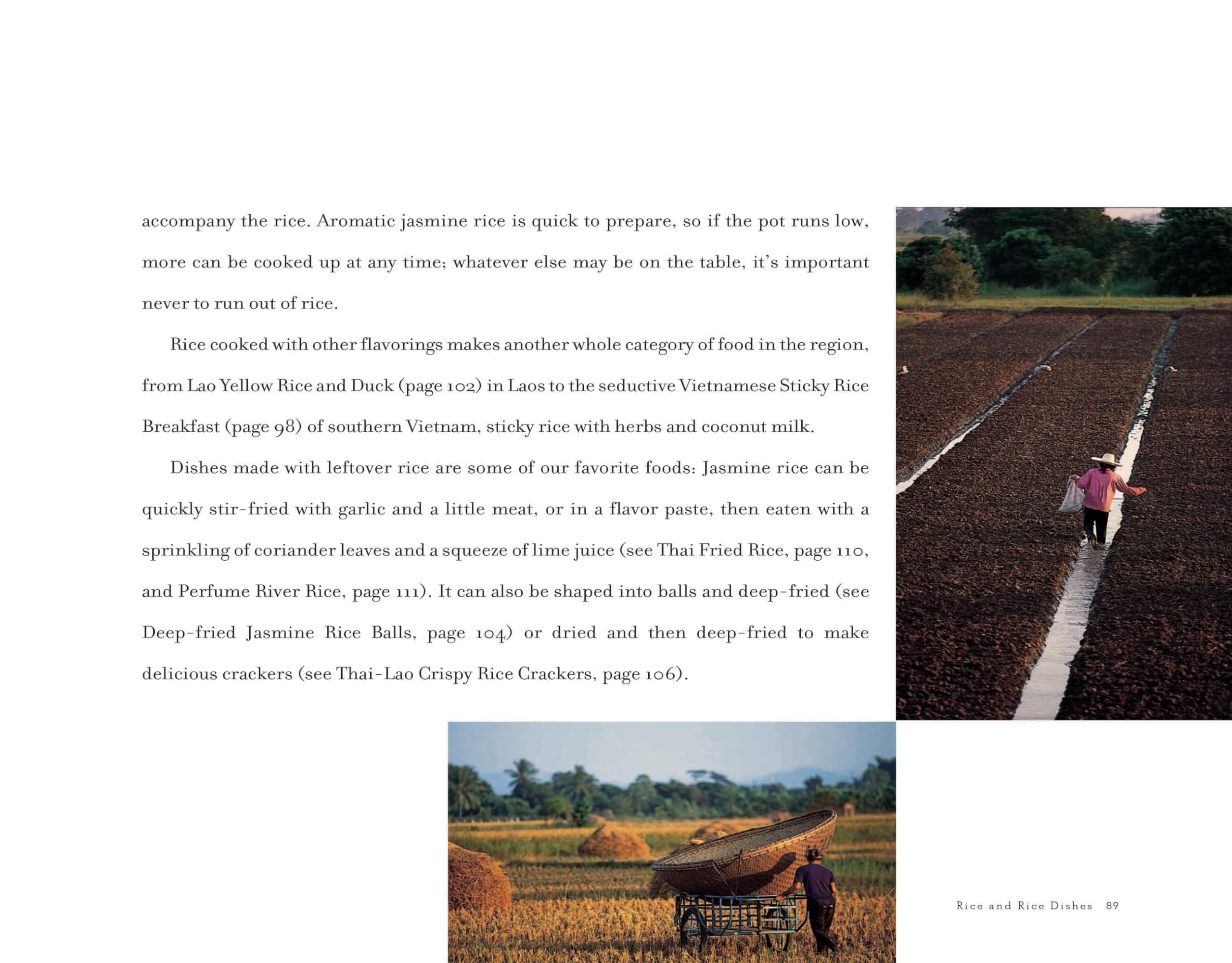
If you have curiosity and interest in Asian foods, (and have gotten this far with your curiosity and interests!) you will be very pleased by your reading of "Hot Sour Salty Sweet". It starts out with geography...the flow of the Mekong River from China, as it touches on Burma and Thailand, and goes right through Laos, Cambodia and South Vietnam. As the river meanders, then builds up force, the authors' tale grows stronger and richer as well. As you learn about the complex network of varied peoples, (yet quite different in culture and tastes) who are spread across this riverbed, be it the Han, Hmong, Bai, Karen, or Khmer and Cham, you are introduced by the nuances of geography, recipes and tribal descriptions to the people, and to the unique foods and diets enjoyed with each region's local spices and traditions. One group may never use pork, another uses fish sauce instead of salt, water buffalo is the preferred meat in some regions, coconuts do not grow in the North and stronger spices tend ot be used there, with coconut milk and seafood more commonly used as the river heads south towards the Mekong delta. Ever wonder why some Chinese or Thai restaurants taste "different" from each other, even in the USA or whatever country you may be sampling such cuisine? Well, this book may at times educate you (just a little bit) to the ethnic origin of the person as they cook the food with their own special touches added. Ask the cook at your restaurant about their culinary background, to learn more! The recipes can be transformed from printed page into tasty food with a visit to a local Asian grocery store, if available, visiting "Whole Foods" or "Fresh Market" type specialty grocery stores in larger cities, or via internet shopping to find a mail order source. The ingredients are not really expensive, and a regular person can make some common sense substitutions, to have a quite tasty meal. I freeze the white bases of lemongrass stalks cut to size, and separately freeze some herbs in thier individual ice cube trays, and they are quite tasty when melted down. Do not use dried lemongrass, as it lacks the right taste! So, having uncommon ingredients handy isn't such a problem, especially when you may not cook more than one or two Asian meals within a few month period. The recipe instructions are simple and thorough; these are not complex and delicate French sauces to be carefully created over hours... however, the complexity of tastes and textures of some Asian dishes can be no less complex than French, Indian or other cuisines. Having a wok and gas stove/range is helpful for some recipes, however I've done quite well with a skillet on an electric/ceramic top stove. If you really want to "cook with gas", get the "Big Kahuna Burner"...it's exactly the firepower used throughout Asia, and the price is right on Amazon! (I've reviewed it on Amazon, and have no bias or connection to it other than it's "the real thing"!) The special bonus in the book is the inclusion of beautiful colorful photos of the varied peoples in the area served by the Mekong, as they harvest food, prepare and eat it, or go about their business. This makes me want to go back and see, taste and savor more of Asia!
L**2
Fantastic reference
Loved this!! So informative and interesting as well as great and easy to follow recipes
B**R
Fun and clear cookbook to work with
I recently started going to an Asian grocery store almost exclusively. The recipes in this book require a lot of hard to find items but locating and learning to use them will pay dividends in no time. I don't recommend it if you don't have access to a good Asian grocery store but heartily endorse it if you do.
R**S
Glowing Ember
I too have stacks of cookbooks and this is definitely one of the best. A few points: Unless you live in one of the 3 or 4 biggest cities, this food is going to look like it is from Mars (nay, even most the people in Los Angeles, arguably the best city in the world for sheer depth and breadth of ethnic food, would probably find that this book is completely outside their realm of experience). And amazingly, it doesn't really fit into one neat little bucket; following the Mekong River, this book hits on 5 distinct cuisines: 1. Vietnamese 2. Laotian 3. Cambodian 4. Northern Thai (Esaan) 5. Islamic Chinese Even in Los Angeles, it is almost impossible to find Esaan food, which is quite different from the Royal Thai cuisine that the country has fallen in love with. Vietnamese is an amazing cuisine that seems to be spreading significantly (if with more emphasis on rice noodle bowls than tendon soup). If you are interested in the history of food, this is also a fascinating tract. In the West, the history has two phases: before and after ready access to salt, the prior phase being dominated by what are called 'masking spices' (some of which came from the east) and then the whole history of integral sauce making afterward. One of the big points made in this book is that in the East, the focus is on the balance of flavors (see title), and, most importantly, the final targeting is done by the consumer (whereas in the West, spicing a dish from a gourmet restaurant is an act of sedition). Not to indict either one: take a lesson from the book: celebrate the differences.
N**S
Total Experience.
This is not just a beautiful book but it inspires beautiful food. The recipes are very good, but by reading the recipes you can make your own dishes with the ingredients you have available. This is a great concept book. If you have some experience in the kitchen, you can apply the concepts in the book to your own style. Reading this book is a journey deep into the experience of Southeast Asia. It is as much a travel log and a book of amazing little photographs as it is a cook book. Highly recommend it.
A**N
Not just a coffee table book!
I usually pick my cookbooks by number of recipes and quality of instruction. It is seldom I buy a cookbook that has lots of pictures and non-recipe discourse. However, this is probably one of the best cookbooks I have purchased in the last 2 years. It has clear, concise recipes from my favorite region for food - practically fool-proof (my husband even made the bok choi successfully!). And adding to the food quality is the need to curl up with this cookbook as if it were a novel - wonderful descriptions of a facinating part of the world, and expressive and intriguing pictures to fire the imagination. I only regret that I have to get it dirty - I'll have to buy a 2nd copy for my coffee table! A must have for anyone who loves to have fun with food!
W**N
One of my favorite books, period
One of my favorite books, period. There are some excellent recipes, yes, but I treasure this book as much for the great story it tells of a part of the world I love dearly. HSSS inspired me to quit a dead-end job and travel the world with my Better Half for the better part of a year, an experience that enriched us both immensely in every way.
W**R
This is my 3rd copy!
I can find most recipes on line but the photos and stories in the make me show this book to others, the only problem is they take them and never return them! A must own book!!!
S**F
Possibly my most favourite cookery book. And I have quite a few. This huge book is an adventure through central and south east Asia. The stories and photographs are so poetic and evocative that by the time you get to the recipe, you're on the verge of eating the page! The recipes themselves are authentic, well informed and not that difficult to replicate. It's also wonderful to be given the history of tribes and their movements, to understand how flavours and ingredients have evolved over time. This book is a treasure that I use regularly. I almost need a second copy...one for the kitchen and one for the coffee table.
A**M
I’m hooked on these two authors….my first, but not last, of their books - travelogue + receipes + wonderful photography….perfection 🙏
J**S
An excellent clearly written book about the countries along the Mekong River. The recipes have an air of authenticity, the stories about this young Canadian couple and their childs travel in this area fascinating. The food descriptions and the cultures well worth reading. The photos and the illustrations are riveting. I have bought several of this book to give as presents . I treasure mine and keep in on my coffee table along with some other memorable ones. But I also use the receipes regularly.
T**B
What a great book, brought for my brother who was over the moon. I am so impressed with it I am going to buy myself a copy too. Would definitely recommend.
A**R
It has excellent recipes, great stories and lovely pictures...a great accompaniment to Mangoes and Curry Leaves.
Trustpilot
1 month ago
3 weeks ago