We remain fully operational. Our teams are working around the clock to ensure your deliveries continue safely.

DOWNLOAD THE APP


Customer Services
Copyright © 2025 Desertcart Holdings Limited
DOWNLOAD THE APP
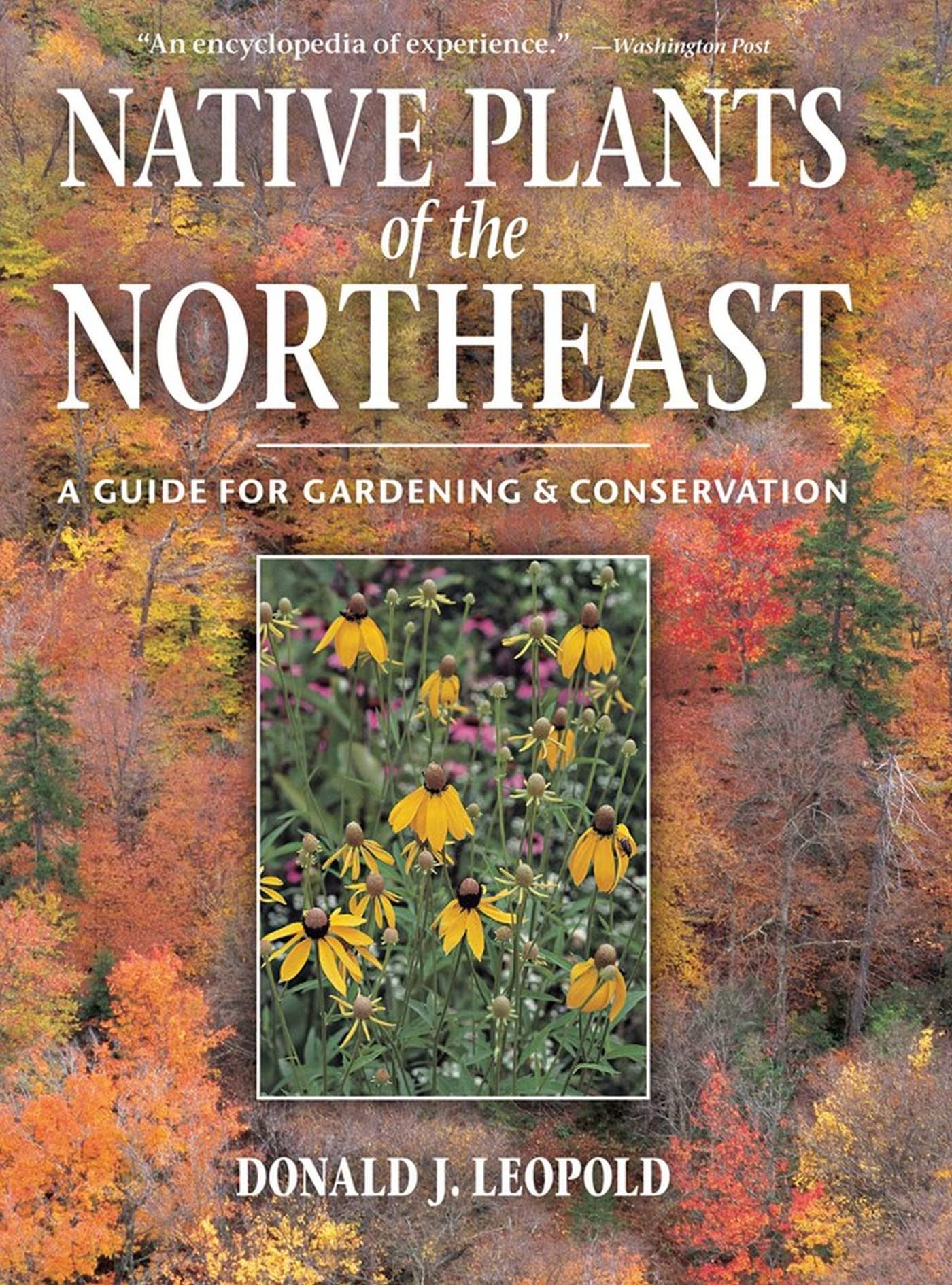
Native Plants of the Northeast: A Guide for Gardening and Conservation [Donald J. Leopold] on desertcart.com. *FREE* shipping on qualifying offers. Native Plants of the Northeast: A Guide for Gardening and Conservation Review: Incredibly useful book on native plants for gardening - This is an absolutely wonderful book on native plants of New England. It has just about every native plant I've ever heard of, with beautiful pictures, detailed descriptions, useful information. Every plant has the zones it will grow in, soil preferred (including moisture - very useful!) and the light the plant will tolerate. In addition, it describes the plant attributes, how to propagate, the natural range of the plant, and most plants have specific cultivars picked out as superior, and sometimes what roles the plant plays in the ecosystem. Almost every plant has a photograph. Incredibly useful. I love how the book is organized - by type of plant (fern, grass, shrub, tree, vine, etc), then by latin name. There's a comprehensive index if you don't know the latin name. Also incredibly useful is the set of lists in the back - plants that tolerate wet soil, plants for dry soil, plants that tolerate shade, plants for butterflies and hummingbirds, plants with fruits for birds, plants with fruits for mammals - all organized by the light tolerance of the plant and plant type. Also useful was the introduction, which describes the different kinds of plant communities. There are more detailed reference books out there, but as far as a good reference for the ordinary gardener, with COLOR pictures, this is the best! Review: My "Bible" - Within a day this book became my companion, ultimate reference, manual, journal and Northeast "Bible". I no longer make purchases for seeds or plants without it. Sure, I used to use the internet for deep searches, but now I have this in depth compilation to refer to. Packed with information it has caused me to rethink my garden goals. I have been planting natives for 5 years now, but now am diving deeper into conservation and a native tea garden too. My yard has cooled down by nearly 10 degrees in some areas, I rarely need to water, and the abundance of pollinators and birds and other wildlife that have reentered my micro ecosystem is thrilling. I can tell already my semi-urban yard will further improve now with this guide, and that the pages will show wear shortly. Love it and recommend it.


| Best Sellers Rank | #162,383 in Books ( See Top 100 in Books ) #5 in Canada Region Gardening #6 in New England Region Gardening #257 in Nature Conservation |
| Customer Reviews | 4.8 4.8 out of 5 stars (311) |
| Dimensions | 7.5 x 0.85 x 10.75 inches |
| Edition | Illustrated |
| ISBN-10 | 0881926736 |
| ISBN-13 | 978-0881926736 |
| Item Weight | 2.5 pounds |
| Language | English |
| Print length | 308 pages |
| Publication date | February 8, 2005 |
| Publisher | Timber Press |
P**.
Incredibly useful book on native plants for gardening
This is an absolutely wonderful book on native plants of New England. It has just about every native plant I've ever heard of, with beautiful pictures, detailed descriptions, useful information. Every plant has the zones it will grow in, soil preferred (including moisture - very useful!) and the light the plant will tolerate. In addition, it describes the plant attributes, how to propagate, the natural range of the plant, and most plants have specific cultivars picked out as superior, and sometimes what roles the plant plays in the ecosystem. Almost every plant has a photograph. Incredibly useful. I love how the book is organized - by type of plant (fern, grass, shrub, tree, vine, etc), then by latin name. There's a comprehensive index if you don't know the latin name. Also incredibly useful is the set of lists in the back - plants that tolerate wet soil, plants for dry soil, plants that tolerate shade, plants for butterflies and hummingbirds, plants with fruits for birds, plants with fruits for mammals - all organized by the light tolerance of the plant and plant type. Also useful was the introduction, which describes the different kinds of plant communities. There are more detailed reference books out there, but as far as a good reference for the ordinary gardener, with COLOR pictures, this is the best!
K**N
My "Bible"
Within a day this book became my companion, ultimate reference, manual, journal and Northeast "Bible". I no longer make purchases for seeds or plants without it. Sure, I used to use the internet for deep searches, but now I have this in depth compilation to refer to. Packed with information it has caused me to rethink my garden goals. I have been planting natives for 5 years now, but now am diving deeper into conservation and a native tea garden too. My yard has cooled down by nearly 10 degrees in some areas, I rarely need to water, and the abundance of pollinators and birds and other wildlife that have reentered my micro ecosystem is thrilling. I can tell already my semi-urban yard will further improve now with this guide, and that the pages will show wear shortly. Love it and recommend it.
P**S
Well worth buying for native plant enthusiasts
This is alot more than a seed catalog read. I enjoyed the Professor's introduction, in which he shares a great deal about many plants in the book, his favorites, why, and how they work in his own garden. Not particularly applicable to me personally was a good deal of information on ecosystem types in the Northeast and wetland information. The appendices are very useful, but one of the best features are the multitude of pictures for nearly every species. The info given on each species is more in-depth than a seed catalog reference, and tells you what you need to know if you're interested in using that plant. Compared to the message of introduction of a more recent book that was just released, Prof. Leopold presents the subject in a much friendlier way, and is writing for a receptive audience, not attempting to defend his position as if under attack... . I keep referring to this book again and again as I continue to add native plantings to my backyard.
T**I
Planting with Conservation in mind - an excellent resource by noted scholar
This is an excellent reference for those who want to focus on conserving their property for the future and for wildlife, birds, butterflies, etc. It's divided into sections- trees/shrubs, plants, wildflowers, grasses, etc. Well-illustrated with photos (yay!), it reminds me of a nursery catalogue with the Latin name, description, growing range (although some only have ? for a range- not good) and tips for propagation. I have a farm and the family is conserving it for just the purposes listed above. This is a really good reference for me. Of course, I'm dying to know if Daniel J. Leopold is a descendant of Aldo Leopold. How cool would that be! Have tried to look it up but no joy. see link on Prof. Leopold - http://www.esf.edu/EFB/leopold/
P**I
Excellent starting point for getting to know native plants
This is a great reference for anyone interested in knowing what's growing in naturally in the northeast. Native plants are so often dismissed as "weeds" but Leopold brings out their best features and shows they as the desirable beauties they are. The write-ups of the plants are concise and clear and include notes about soil and light conditions as well as propagation. The beautiful photos are excellent for plant identification although it would be better if there were more than one photo for each plant showing not just the flower but also more of the leaves, especially before the flower emerges. I would give the book 5 starts except that I have found that not every plant has a photo with its description. This makes it hard to flip through looking at photos to identify something you have found growing. But for the plants that have photos and descriptions, this is an excellent starting point for researching the natives.
A**A
Concise, straightforward, and thorough
This book is a must for landscape architects and anyone involved highway beautification. It is also an excellent book for anyone looking to plant more of our beautiful native plants and eliminate non-natives on their land. Nearly every plant description is paired with a full color photo of the plant in it's natural state. Although this book is primarily designed for the Northeast, it also good for the Southeast and parts of the Midwest. I would only make one suggestion to the author if he gets the chance to do a reprint; please include a section on the nuisance plants - poison ivy, poison sumac, stinging nettle, and the like. They may not be of use to many, but there are many of us that would like to find out more about them.
S**.
Perfect gift for gardener friend!
Bought this as a gift for a friend who's very interested in native plants, and she loves it! She immediately cracked the book open and started making a list of things she wanted to add to her garden. There were even some plants in here that she hadn't heard of but was very excited to get her hands on. It's a beautiful book too, with lots of excellent images and really great information.
A**R
Lovely book at a good price. Promptly delivered. Many thanks.
B**S
The book was really well packaged, is in new condition just as described, and was shipped and delivered really fast. I received it even earlier than I expected. Overall I’m impressed and I highly recommend this seller.
J**N
This book is helping me plan my backyard.
R**Y
This book is well laid out, well indexed, with lots of clear pictures and detailed descriptions of the growing conditions necessary for many native ferns, grasses, flowers, shrubs and trees. In the back are appendices listing the plants that like wet soil, dry soil, shade, those that are good for butterflies and hummingbirds, etc. The only thing that would have made the book even better would have been a table showing when each plant is in bloom and the plant's height. This would have helped gardeners wishing to incorporate these plants into their landscapes. The information is there, but you need to read each plant description to get it. Overall, though, it is the best book on the subject I have ever seen.
Trustpilot
3 weeks ago
5 days ago