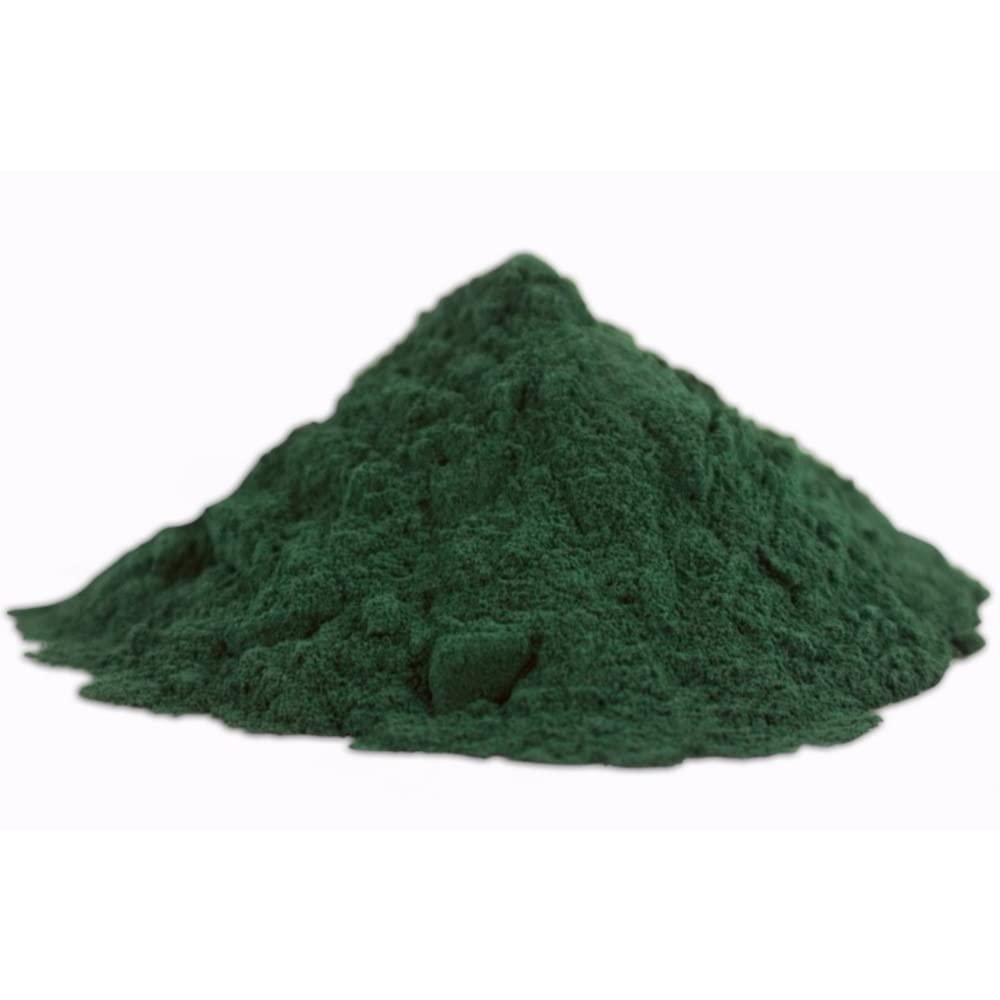

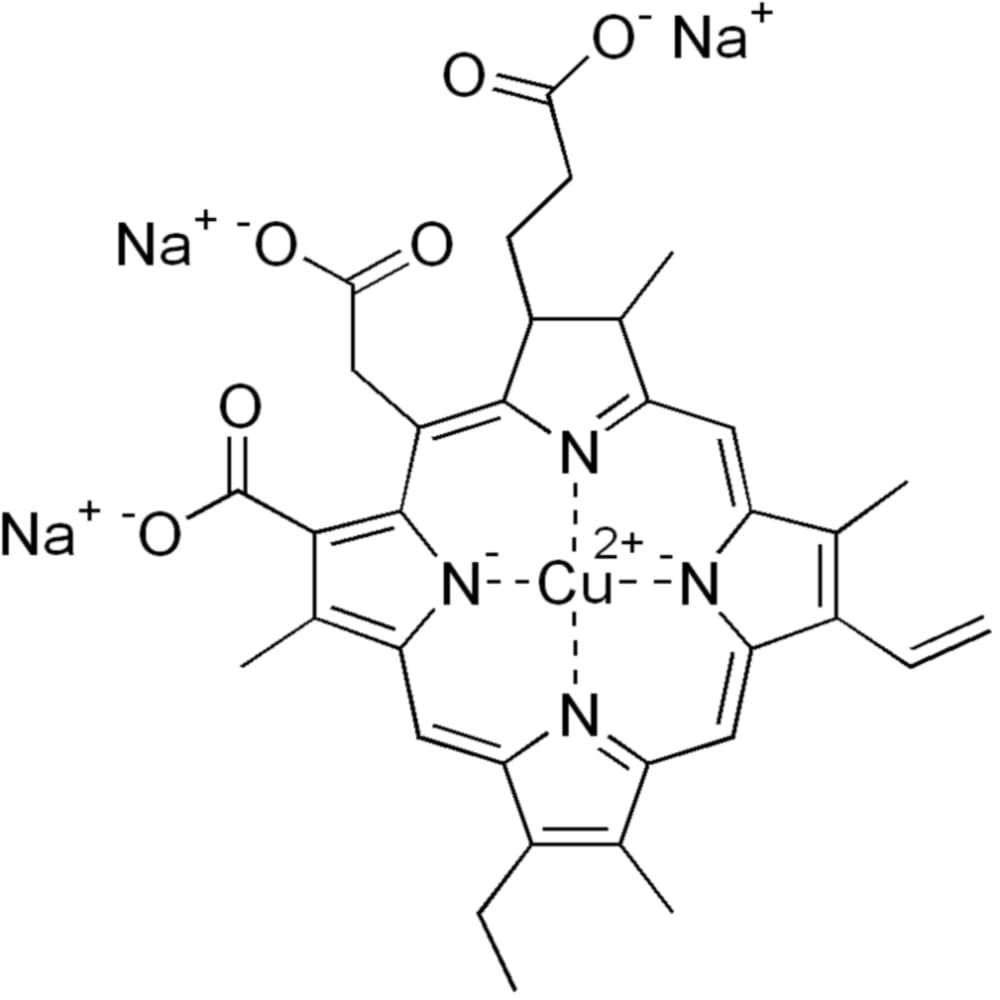
Names:Other names:Natural green 3, E141Identifiers:CAS Number · 11006-34-1ChemSpider · 4586363ECHA InfoCard 100.031.117PubChem CID · 5479494UNII · 1D276TYV9OProperties:Chemical formula C34H31CuN4Na3O6Molar mass 724.15 g/molExcept where otherwise noted, data are given for materials in their standard state (at 25 °C [77 °F], 100 kPa).What is the difference between a dye and a pigment?PigmentsThere are two different types of pigments: Natural and Synthetic. Pigments are insoluble materials that are ground into a fine powder so that they can be suspended in a binder (usually an oil). Insolubility means that pigments can never be dissolved into the binder, the fine particles of the powder are suspended and stay solid in the binder. The binder surrounds the pigment particles and holds them in place.Pigments produce paints that are more opaque than dyes and have low tinting strength. Opacity is the ability for paint to cover and hide another dried color that it has been applied over. Tinting strength is how well a color mixes with other colors. (Example: When mixing blue with white, how well does the blue disperse into the white? or How blue does the white look after the mixing?)The first colorants that were used to create paint were naturally occuring earthen pigments. Prehistoric people used ochres and iron oxides to create images on cave walls in Lascaux, France. Many natural insoluble pigments are still used today in artists? paints. Metals are also natural insoluble pigments, like cadmium, titanium, and lead (very toxic).DyesThere two types of dyes: Natural and Synthetic. Dyes, in contrast to pigments, are soluble colorants. Solubility means that dyes are dissolved into a binder (usually water). Dyes are more transparent than pigments. Transparency of dyes makes these colors very good for glazing over previous layers
| Units | 1.0 gram |
| Brand | Instant Sunshine |
| Country of origin | United Kingdom |
Trustpilot
1 month ago
1 month ago