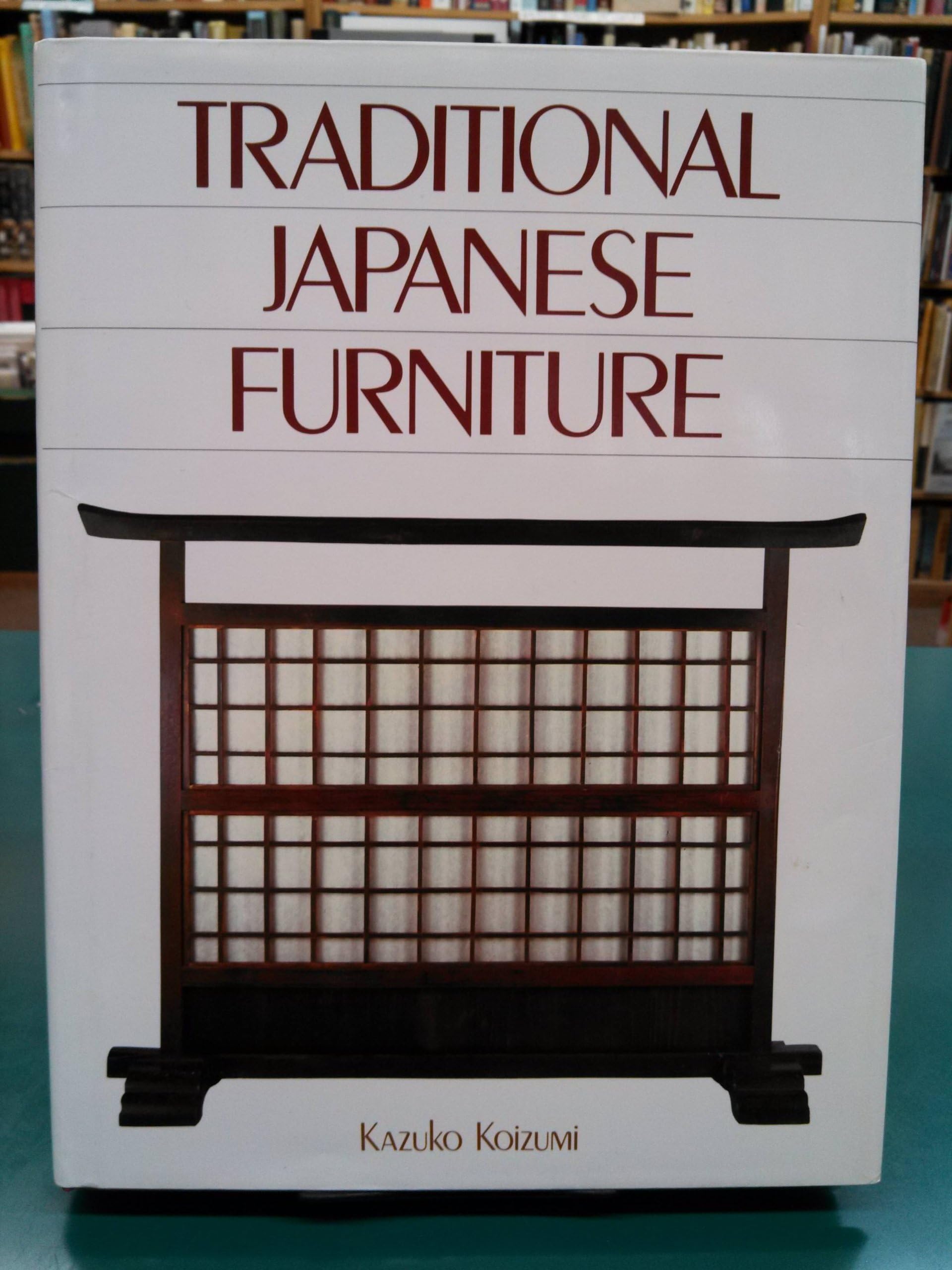



Traditional Japanese Furniture
Product ID: 49923426
📚220 pages of rich historical insights
🪵Detailed joinery & metalwork techniques
🖼️47 vivid cabinetry color plates
Description
🪑 Own a piece of history — where tradition meets timeless style!
- COMPREHENSIVE VISUAL JOURNEY - Over 100 color and black & white illustrations bring traditional craftsmanship to life.
- MASTERFUL CRAFTSMANSHIP INSIGHTS - In-depth coverage of wood joinery, metal fittings, and artistic motifs for the discerning collector.
- TIMELESS EDO MEIJI ERA DESIGNS - Explore authentic furniture styles from 1600-1912 that define Japanese elegance.
- HISTORICAL CONTEXT MEETS ARTISTRY - Understand furniture evolution through Japan’s aristocratic, medieval, and modern periods.
- CURATED FOR CONNOISSEURS CREATIVES - A must-have reference for professionals seeking inspiration from Japan’s rich design heritage.
Traditional Japanese Furniture by Kazuko Koizumi is a 220-page authoritative guide showcasing Edo and Meiji period furnishings through 47 color plates and detailed illustrations. It offers deep dives into joinery, metalwork, and historical context, making it an essential resource for collectors, designers, and enthusiasts of authentic Japanese craftsmanship.
Specifications
| Best Sellers Rank | #1,143,209 in Books ( See Top 100 in Books ) #133 in Antique & Collectible Furniture (Books) |
| Customer Reviews | 4.6 4.6 out of 5 stars (13) |
| Dimensions | 11.8 x 1 x 8.9 inches |
| Edition | Reprint |
| ISBN-10 | 087011722X |
| ISBN-13 | 978-0870117220 |
| Item Weight | 2.95 pounds |
| Language | English |
| Print length | 224 pages |
| Publication date | July 15, 1986 |
| Publisher | Kodansha USA |
Common Questions
Yes, all products are sourced directly from authorized retailers in the US, UK, UAE and India. We maintain strict quality control processes and verify each product before shipping. All items come with applicable manufacturer warranties and are covered by our standard return policy.
Delivery times vary by destination country, typically ranging from 3-9 business days. Each order is fully trackable through our system. We handle all customs clearance and use reliable courier partners for last-mile delivery. You'll receive regular updates about your order status via email and our app.
Desertcart is an international e-commerce platform operating since 2014. We securely process thousands of orders globally each day. Every product goes through our quality verification process before delivery, and we provide end-to-end order tracking, 24/7 customer support, and a comprehensive returns policy to ensure a safe shopping experience.
Our prices include the product cost, international shipping, import duties, customs clearance, and local delivery charges. We handle all customs and import procedures, ensuring there are no hidden fees upon delivery. PRO members receive additional benefits including free shipping.
Trustpilot
TrustScore 4.5 | 7,300+ reviews
Shop Global, Save with Desertcart
Value for Money
Competitive prices on a vast range of products
Shop Globally
Serving millions of shoppers across more than 100 countries
Enhanced Protection
Trusted payment options loved by worldwide shoppers
Customer Assurance
Trusted payment options loved by worldwide shoppers.
Desertcart App
Shop on the go, anytime, anywhere.